Dunhill Rollagas Maintenance Guide: Refill, Flint, Flame and Repair
How to refill your Dunhill Rollagas, change the flint, set the flame and keep it clean, plus what to do when it will not light and when it needs a service.
By Max Meijster Updated 15 October 2026 7 min read
A Dunhill Rollagas is built to last for decades. What keeps it going is simple care: the right gas, a fresh flint when the spark gets weak, a sensible flame and a proper service when the seals get tired.
This guide covers all of it, step by step: refilling, changing the flint, adjusting the flame, cleaning, solving the most common problems, and knowing when your Rollagas needs a repair. The refill, flint and flame steps follow the instructions in Dunhill’s own booklet. We service vintage Dunhill lighters in our own workshop.
Which gas and flints for a Dunhill Rollagas?
A Rollagas fills from any universal butane can: the nozzle fits the filler valve directly, so no adaptor is needed. Choose a high quality refined butane: at least five times refined, preferably eleven times. Impure gas leaves residue that can block the fine burner over time.
For flints, like any luxury lighter, the Rollagas takes good quality standard flints. Both 5 mm and 3 mm flints fit, and you change them without any special tool.
| Use | Avoid | |
|---|---|---|
| Gas | High quality refined butane (at least 5x, ideally 11x) from any universal can, no adaptor needed | Cheap unrefined gas, lighter fluid |
| Flint | Premium standard flints, 5 mm or 3 mm | Cheap flints, more than one flint at a time |
Lighters from The Lighterhouse are shipped empty, as transport rules require. Fill your Rollagas before you first use it.
How to refill a Dunhill Rollagas
Refilling takes a minute. Before you start, make sure the lighter is out and has cooled to room temperature, and work away from any flame or cigarette.
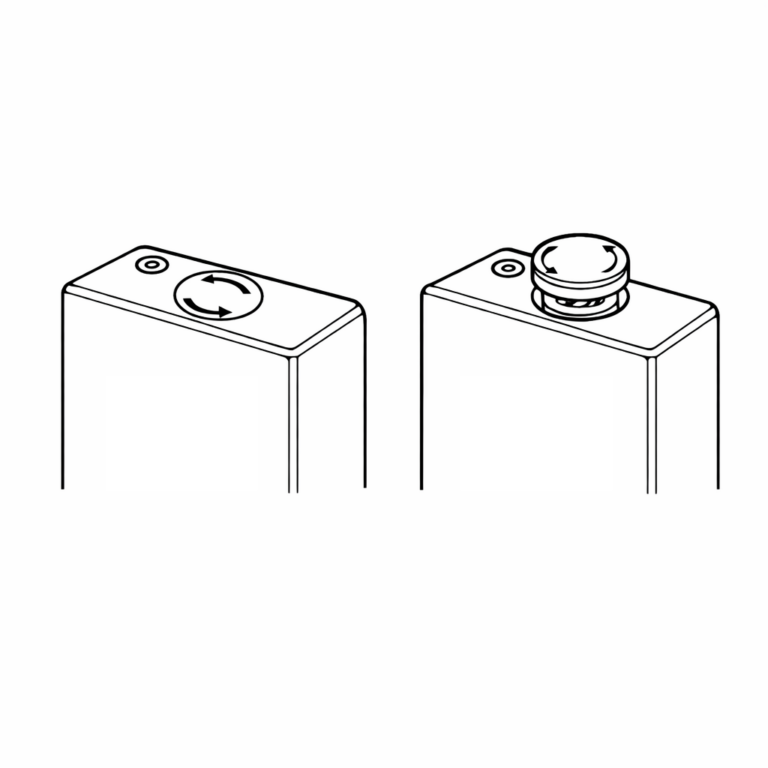
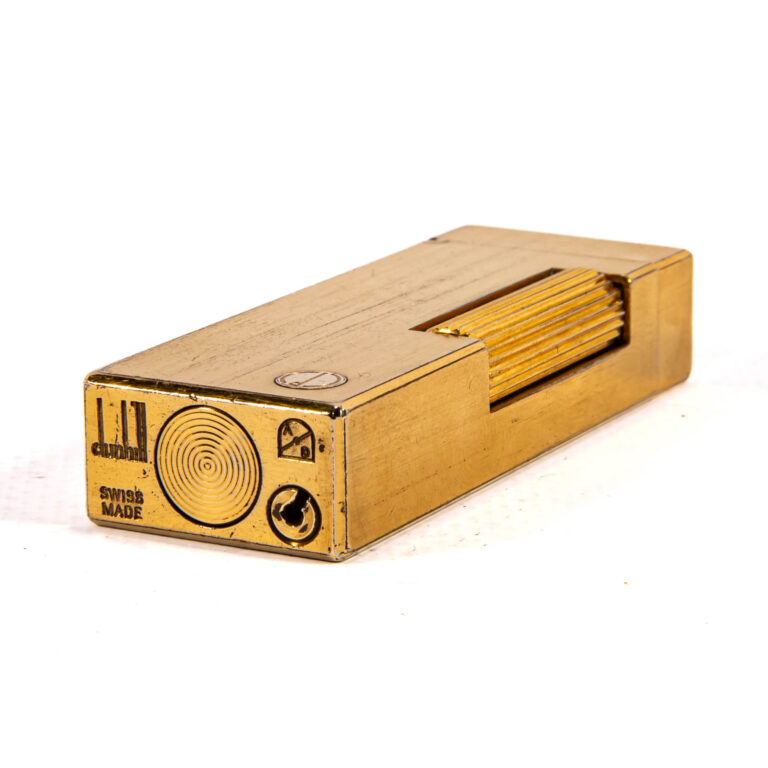
- Open the filler cap. Turn the lighter upside down. Press the filler valve cover gently with your thumb and turn it anticlockwise. The cap springs up slightly and you can lift it off.
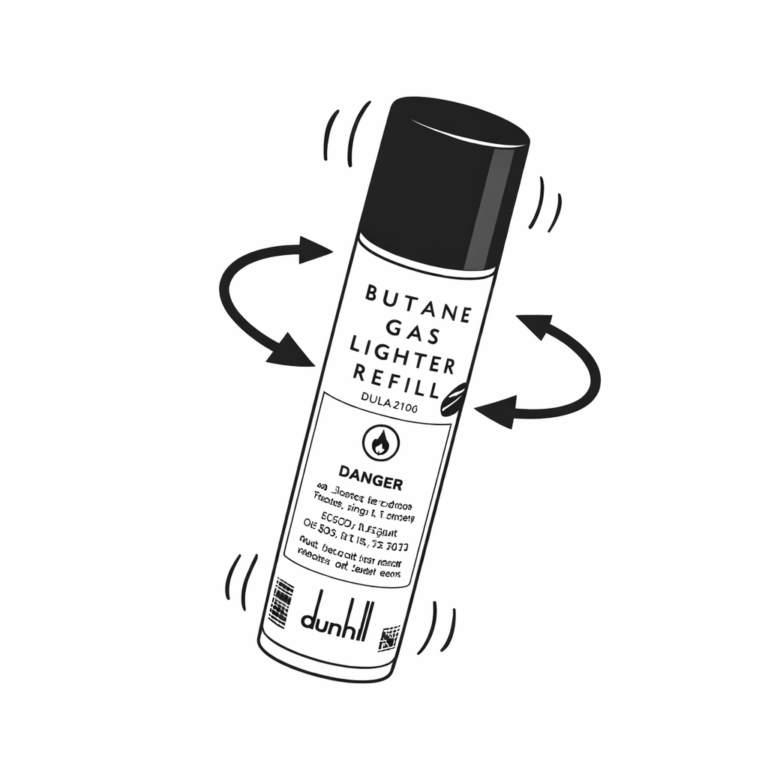
- Prepare the can. Shake the refill briefly. Hold the lighter upside down, with the valve facing up, and the can upside down above it, so the nozzle points straight down.
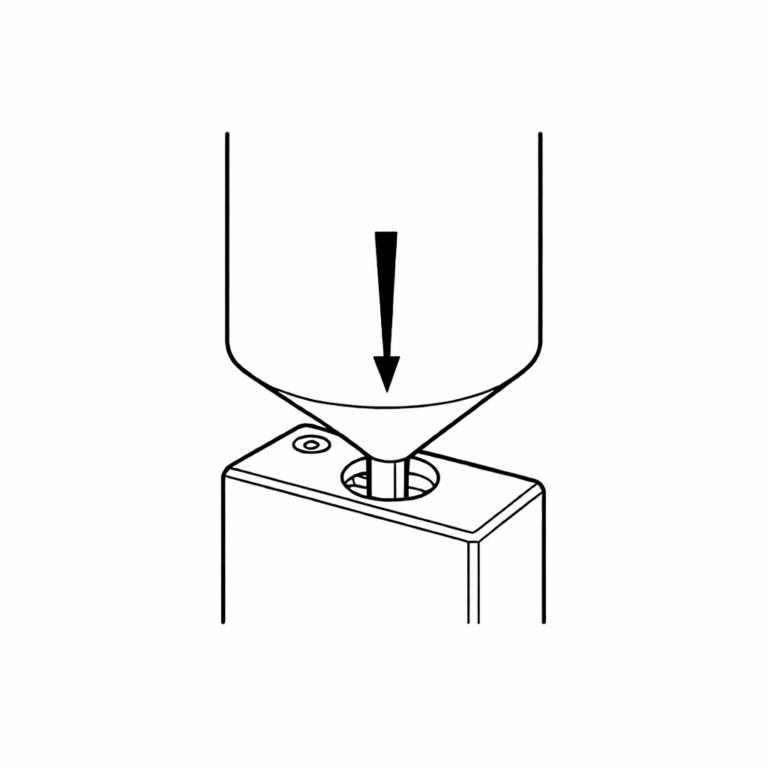
- Fill. Press the nozzle firmly into the valve and hold it for a few seconds. You hear a soft hiss while liquid butane flows in. Stop when gas starts to escape around the valve: the tank is full.
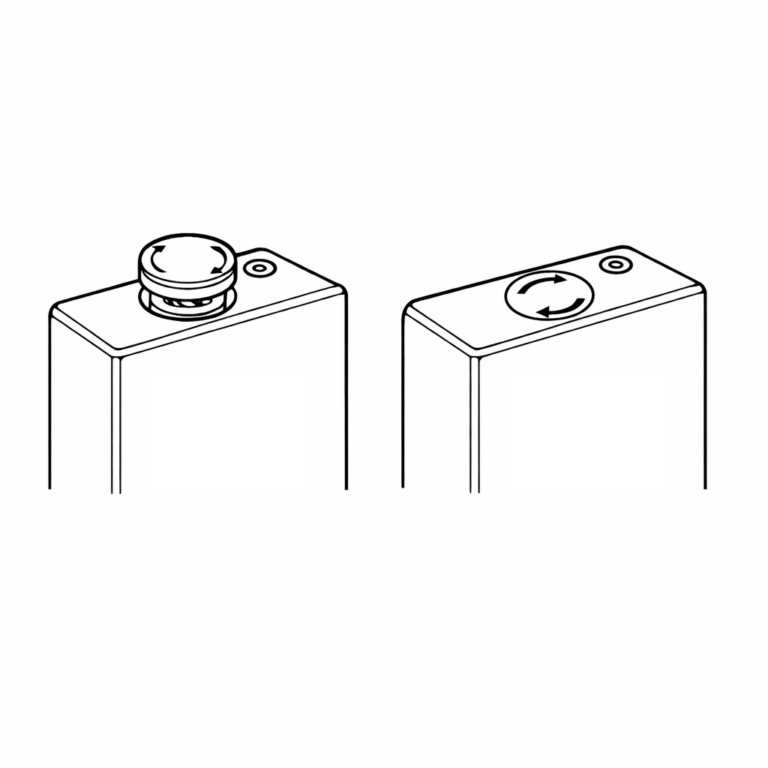
- Close the cap. Put the cover back, press down and turn it clockwise until it sits firmly.
- Wait. Leave the lighter for a few minutes before you light it, so excess gas can evaporate and the pressure inside settles.
How to bleed a Rollagas
When the flame jumps or sputters, there is usually air in the tank, often after an improper fill. Using the lighter until it is empty and then filling it properly solves this. If you do not want to wait, you can bleed the tank.
- Set the flame to maximum. Turn the flame wheel to the highest setting.
- Open the lid, but do not light it. Leave the lighter open by an open window, well away from any flame, spark or cigarette.
- Wait about an hour until all the gas is out. Then close the lid, turn the flame wheel back down and refill it properly.
Never press the filling valve to let the gas out. Some Rollagas lighters have a needle valve, which is extremely delicate and easily destroyed that way.
How to change the flint of a Dunhill Rollagas
When the roller turns but gives only a weak spark, or none at all, the flint is worn down. The Rollagas holds its flint in a small hinged holder under the lid, released with a slide.
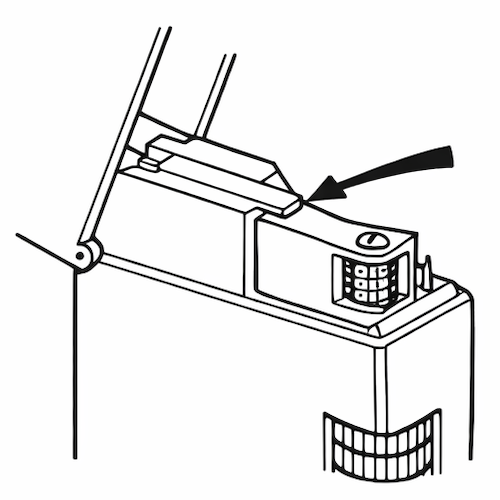
- Open the lid fully, so you can reach the flint holder on top of the lighter.
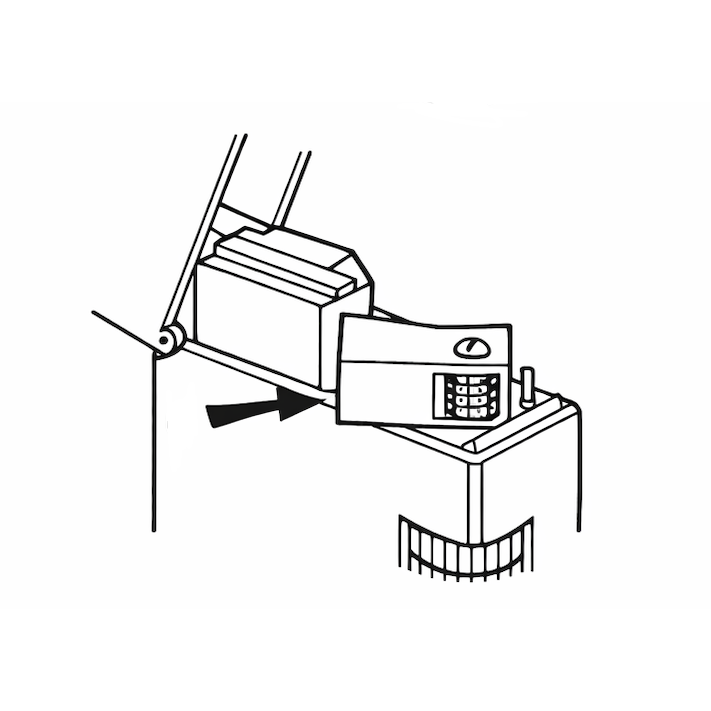
- Release the holder. Push the flat metal slide backwards with a coin or another flat object. The flint holder pivots sideways and opens. Use firm but gentle pressure; never force it.
- Remove the old flint. Shake out what is left of the old flint. If needed, tap the lighter gently upside down so the flint tube is completely empty.
- Insert one new flint. Place a single new flint in the holder. Never insert more than one.
- Close and test. Press the holder back into place until the slide clicks forward and locks, flush with the top. Roll the wheel to test the spark.
How to adjust the flame
A Rollagas from our workshop arrives with a balanced flame, and in normal use you rarely need to change it. Temperature and the amount of gas in the tank can make the flame a little higher or lower, so a small correction now and then is normal. Make sure the lighter is filled, at room temperature and out before you adjust it.
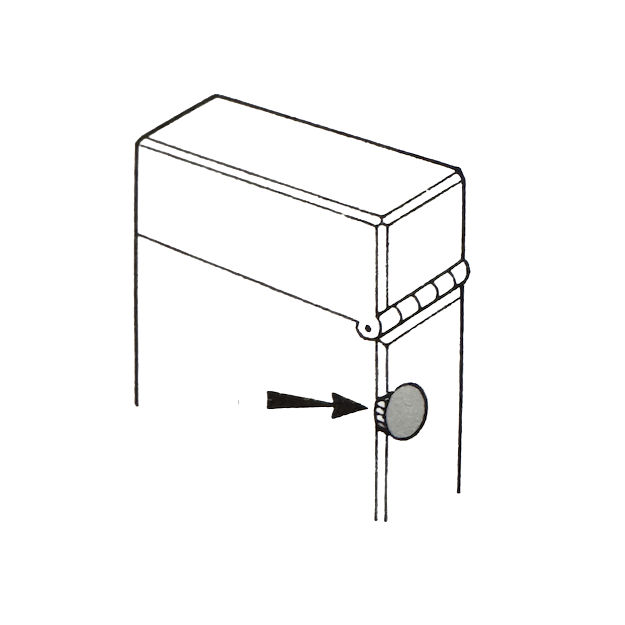
Use the flame wheel first. The small wheel at the back of the lighter, next to the hinge, sets the flame height. Turn it up for a higher flame and down for a lower one. About 2.5 cm is a good height.
Only if the wheel is not enough: the burner adjuster
The small slotted screw in the corner of the base is the burner adjuster. Only touch it when the wheel alone cannot give you a normal flame.
- Light the lighter and judge the flame with the wheel turned fully up.
- Flame under about 2.5 cm? Turn the screw slightly anticlockwise with a small screwdriver, in very small steps of about 1 mm, and test after each one.
- Flame too big or roaring? Turn the screw slightly clockwise, in the same very small steps, testing after each one.
Never remove the burner adjuster from the base, and never turn it more than 45 degrees either way. If you hear gas escaping while you adjust, put the lighter out at once and have it checked by a specialist.
How to clean a Dunhill Rollagas
- Inside: use cotton buds to clean under the lid and around the filling valve, with the lighter cold and out.
- To shine: give the lighter a gentle rub with a jeweller’s cloth. That is all the polishing it needs.
- Never use liquid polish, such as Silvo. It seeps into the seams and ruins the lighter. We often see lighters damaged this way in our workshop.
- Lacquer: never polish it. Leave lacquer untouched.
Common Rollagas problems and what to do
| Problem | Likely cause | What to do |
|---|---|---|
| Sparks, but no flame | Empty tank, flame set too low, or a very cold lighter | Refill, turn the flame wheel up, let the lighter warm to room temperature |
| Roller turns, no spark | Flint used up | Change the flint |
| Roller feels gritty or stiff | Flint dust | Clean around the roller with a dry cotton bud |
| Flame too big or flaring right after filling | Gas not yet settled | Wait a few minutes, then use the flame wheel |
| Flame jumps or sputters | Air in the tank, or an improper fill | Use the lighter until it is empty and fill it properly, or bleed the tank |
| Flame cannot be set with the wheel | Burner adjuster out of range | Small turn of the burner adjuster, otherwise service |
| Gas hisses or escapes from the base, or the tank is empty within days | Worn seals in the filler valve or burner | Service: the seals need replacing |
| The lid does not close properly | Flint holder not fully locked | Press the holder back until the slide clicks; if that does not help, have it checked |
When does a Rollagas need a service?
The seals in a Rollagas dry out and harden with age, especially in a lighter that has been stored for years. Signs that yours needs a service: it will not hold gas, gas escapes while filling, the flame will not adjust properly, or it simply will not light after a refill and a new flint.
A full service means taking the lighter apart, replacing the seals, cleaning every part, testing for leaks and setting the flame. Dunhill describes the same steps for its own service. Repair kits for the classic Rollagas are sold online, but the parts are tiny and the valves easy to damage, so for a valuable lighter a specialist is the safer choice. The new generation Rollagas, made since the mid 2000s, is a different mechanism and goes back to Dunhill.
We service vintage Dunhill lighters in our workshop, and every Dunhill Rollagas in our shop has been serviced and tested before it is sold. Want to know how old yours is? See how to date your Dunhill Rollagas, and read the full story in the history of the Dunhill Rollagas. Own an S.T. Dupont as well? It needs different gas: see our S.T. Dupont maintenance guide.
Serviced Dunhill Rollagas lighters available now
See all Rollagas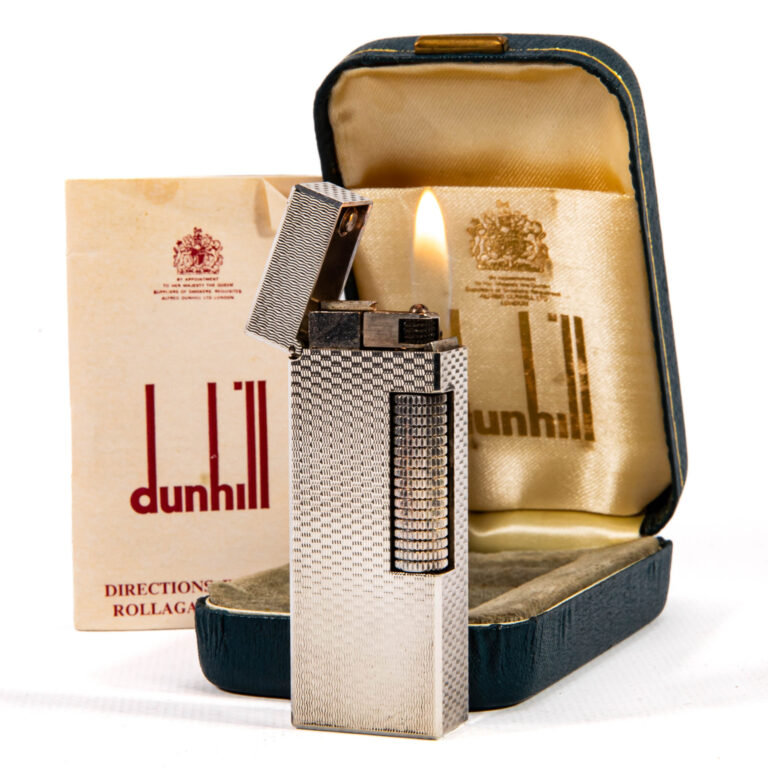
Questions collectors ask
What gas does a Dunhill Rollagas use?
Butane. Any universal butane can fits the Rollagas filler valve directly, no adaptor needed. Choose a high quality refined butane, at least five times refined.
Which flints does a Dunhill Rollagas take?
Good quality standard lighter flints, as for any luxury lighter. Both 5 mm and 3 mm flints fit. See how to change it.
How do I refill a Dunhill Rollagas lighter?
Turn the lighter upside down, open the filler cap anticlockwise, and press the can nozzle straight down into the valve for a few seconds. Close the cap and wait a few minutes before lighting. See the steps.
Why does my Rollagas spark but not light?
Usually the tank is empty, the flame wheel is turned too low, or the lighter is cold. If it still does not light after a refill, the seals may be worn and it needs a service.
Can a vintage Dunhill Rollagas be repaired?
Yes. The classic Rollagas can be taken apart and its seals replaced, so most can be brought back to full working order. We service vintage Dunhill lighters in our own workshop.
Why does gas leak from the bottom of my Dunhill lighter?
Gas escaping from the base while filling, or a tank that empties within days, points to worn seals in the filler valve or burner. The lighter needs a service with new seals.
Sources and further reading
- Dunhill: lighter history and care official: refill with the lighter inverted; what a Dunhill service includes
- Kirby Allison: how to fill, ignite and maintain your Dunhill Rollagas dealer guide to the current Rollagas: filling, flint, flame height of about 2.5 cm, cleaning
- Pipes Magazine: The Cadillac of Lighters, Dunhill Rollagas service kits for the classic Rollagas and which models they do not fit, including the new generation