Why You Should Avoid Counterfeit Dupont Lighters: 6 Real Risks
A fake S.T. Dupont is more than a disappointment: it is a gas lighter nobody stands behind, its lacquer and plating wear off, it is not worth repairing and it is worth nothing. The six risks, and what to do if you bought one.
By Max Meijster Updated 15 October 2026 5 min read

Fake S.T. Dupont lighters turn up on online marketplaces every day, often for a fraction of the price of a genuine one. If it lights and looks the part, what is the harm? Quite a lot, as it turns out. A counterfeit is a small tank of butane under pressure, made by someone with no reason to get it right, and buying one can cost you more than the price you paid.
Here are the six risks, and what to do if you think you already own a fake.
Want to check a lighter right now? Our guide How to spot a fake S.T. Dupont lighter takes you through the seven checks we use in our workshop: serial number, engraving, size and weight, refill cap, the cling, lacquer and price.
1. You cannot trust it with gas
A lighter holds liquefied butane under pressure, a few centimetres from your hand and face. In a genuine S.T. Dupont, the valve, seals and gas regulator are made for that job and tested before the lighter leaves the factory. In a counterfeit, nobody answers for them.
The EU shows what is at stake. Lighters sold there must be safe, and the standard EN ISO 9994 covers their quality, reliability and safety. Refillable luxury lighters are spared the EU child resistance rule only because they come with a written guarantee of at least two years, can be repaired throughout their life and are designed for at least five years of safe use. A counterfeit offers none of that.
In practice that means valves that leak, seals that fail, a flame that flares too high or will not stay steady. We cannot tell you what valve a counterfeit has inside, so we cannot vouch for it; what we do see in our workshop is that fakes start to leak gas much sooner than genuine lighters. Europol and the EU intellectual property office describe counterfeiting in general as a substantial threat to the health and safety of consumers.
If any lighter smells of gas, hisses with the lid closed, or burns with a flame that jumps or flares, stop using it and do not refill it.
2. The lacquer and plating wear off
A genuine S.T. Dupont is brass, finished in gold or palladium plating or in real Chinese lacquer, and with care that finish lasts for decades. On a counterfeit, the finish is usually the first thing to go.
What we see most on fakes is lacquer that chips off badly, because it is not real Chinese lacquer. The gold plating is much thinner than on a genuine lighter and wears off quickly.
3. The mechanism wears out
Under the finish, the material is poor. On the fakes we see, the hinges wear and break sooner than on a genuine lighter, and the lighter starts to leak gas much sooner.
A genuine Ligne 1 or Ligne 2 was built to work for decades, and many vintage examples still light perfectly with nothing more than regular maintenance. A counterfeit that looked like a bargain becomes a disposable lighter.
4. It is not worth repairing
When a genuine S.T. Dupont needs work, the house’s own after sales service and independent specialists can service it: new seals, a new valve, a restored finish. Counterfeits are made outside that system, and S.T. Dupont and its authorised service centres do not repair them.
We do not service counterfeits either, and we would not recommend having one serviced. The copies are so well made nowadays that replacement parts often fit, but the parts you put in can be worth more than the lighter itself. When a fake breaks, the sensible choice is to stop using it.
5. It is worth nothing
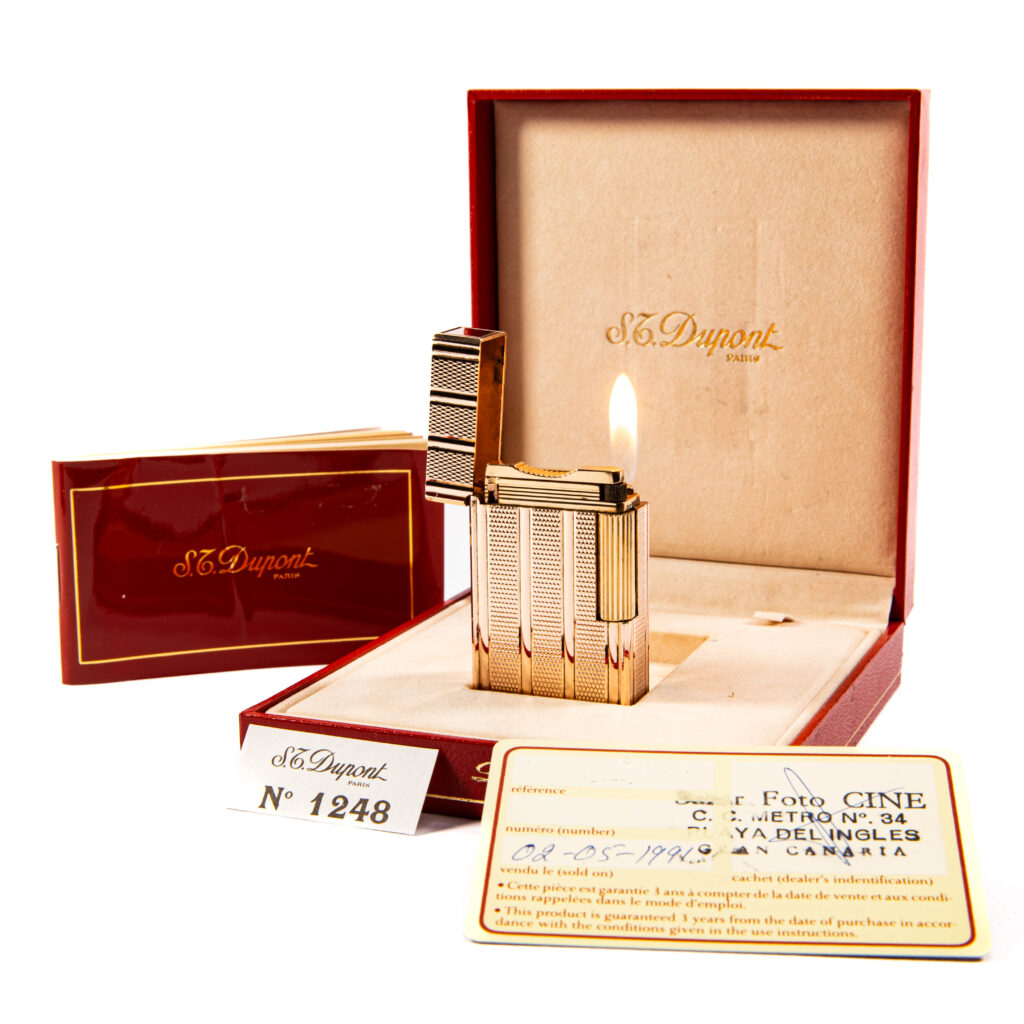
Genuine S.T. Dupont lighters keep their value, and rare or well kept pieces, limited editions among them, often become more sought after with time. A counterfeit has no collector value and cannot be sold on as an S.T. Dupont. Pay the price of a genuine lighter for a fake and the whole amount is gone.
6. Your money goes to the wrong place
Every S.T. Dupont is the work of craftspeople in Faverges, where the house has made its lighters for decades: lacquer applied by hand, mechanisms fitted and tested one by one. A counterfeit copies the look and takes the name, and none of what you pay goes to the people who designed and made the original. The scale is large: in 2024 authorities in the EU detained 112 million counterfeit items, worth an estimated 3.8 billion euros.
Think you bought a fake?
- Check it properly. Go through the checks in our guide to spotting a counterfeit S.T. Dupont. A lighter with a Japanese style decoration? Then also read how to spot a fake maki-e lighter.
- Stop using it if it smells of gas or the flame misbehaves, and do not refill it.
- Contact the seller and the platform. Most marketplaces and card payments offer buyer protection for items that are not as described. Act quickly; the time limits are short.
- Do not sell it on as genuine.
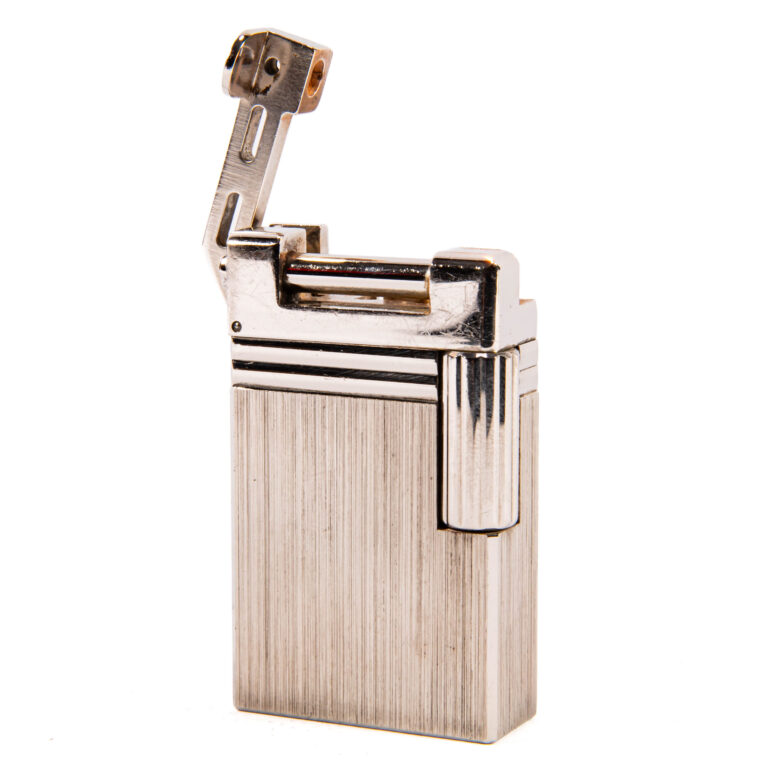
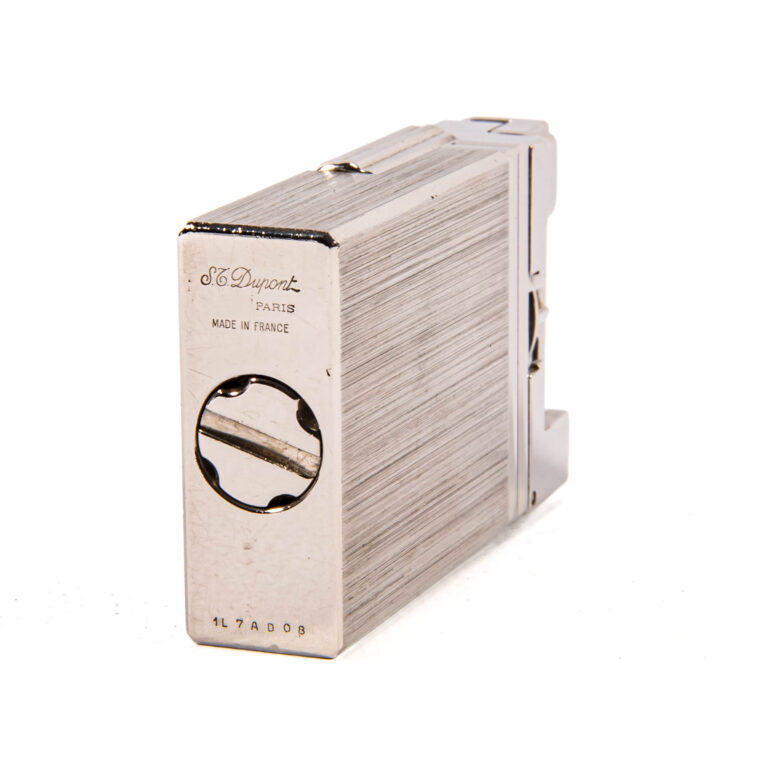
- Still unsure? Send us photos of the bottom, the open lighter and the inside of the refill cap, and we will give you our view.
How to avoid buying one
- Distrust a bargain. A Ligne 2 in top condition does not sell for a fraction of what comparable pieces fetch.
- Ask for photos of the serial number and engraving on the bottom, the open lighter and the inside of the refill cap. A seller who will not send them is answering your question.
- Buy from a specialist who knows S.T. Dupont and guarantees authenticity in writing.
Every S.T. Dupont at The Lighterhouse is inspected, serviced and guaranteed authentic before it is listed. See the genuine S.T. Dupont lighters we have now.
Genuine S.T. Dupont lighters, serviced and guaranteed
See all S.T. Dupont
Questions collectors ask
Are fake S.T. Dupont lighters dangerous?
They can be. A counterfeit holds butane under pressure with a valve and seals that nobody has tested or guarantees, so leaks and flaring flames are a real risk. Stop using any lighter that smells of gas.
How long does a fake Dupont lighter last?
Usually not long. On the fakes we see, the lacquer chips, the thin gold plating wears through, the hinges break sooner and the lighter starts to leak gas much earlier than a genuine S.T. Dupont.
Will S.T. Dupont repair a counterfeit lighter?
No. S.T. Dupont and its authorised service centres only service genuine lighters, and we do not service counterfeits either. Replacement parts often fit a modern fake, but they can cost more than the lighter is worth.
How can I tell if my Dupont lighter is fake?
Check the serial number, engraving, weight, refill cap, the cling and the finish. Our guide on how to spot a fake S.T. Dupont lighter explains each check.
What should I do if I bought a fake S.T. Dupont?
Stop using it if it smells of gas, contact the seller and the platform about buyer protection, and do not sell it on as genuine. If you are unsure, send us photos.
Sources and further reading
- Commission Decision 2006/502/EC on child resistant lighters EN ISO 9994; exemption for refillable lighters with guarantee, repairability and five years of safe use
- eucrim: Europol and EUIPO intellectual property crime threat assessment 2022 counterfeits as a threat to consumer health and safety
- European Commission: EU detains 112 million counterfeit items in 2024 scale of the counterfeit trade